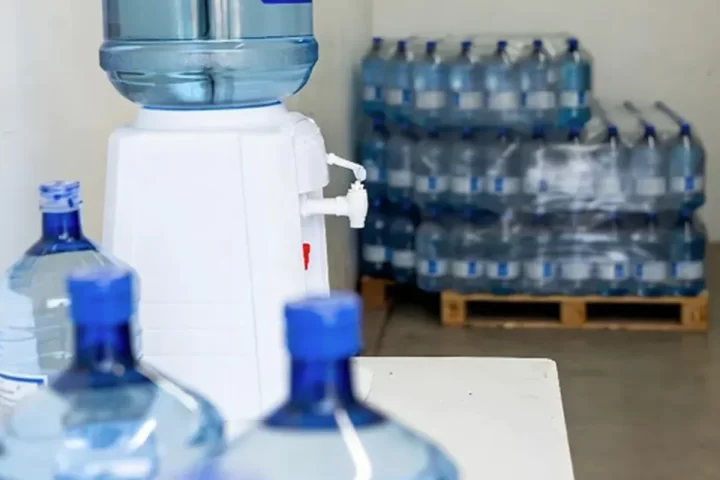

Multi-location office water service is easy to standardize badly. Requiring the same machine everywhere ignores different water conditions, floor plans, headcounts and building restrictions. Letting every location choose independently creates inconsistent pricing, service records and escalation. A better program standardizes the decision process, minimum service expectations and reporting while allowing documented site-level differences.
The goal is not identical equipment. The goal is consistent control: known assets, clear ownership, comparable pricing, service evidence and a dependable response path. For the broad purchasing framework, use the office water service guide and the separate water delivery pricing guide.
Build the operating standard before selecting equipment
Every site needs a verified profile
Record headcount by shift, building type, water source, intended locations, existing equipment and local restrictions. A spreadsheet with only addresses cannot support a credible equipment plan.
Asset records prevent invisible cost
Assign each unit an identifier and track location, model, service type, installation date, filters, maintenance and agreement. This makes duplicate billing and forgotten equipment easier to identify.
National coverage still relies on local execution
Ask who installs and services each market, how dispatch works and how performance is measured. A single contract does not guarantee identical response in every location.
Local flexibility needs a rule
Allow exceptions for water quality, plumbing, leased-space approvals, usage and operational conditions. Require a documented reason instead of informal one-off decisions.

Create a simple governance model
- Corporate standard: Approved equipment classes, minimum maintenance, service records, safety and contract terms.
- Site profile: Local users, conditions, placement, water information and operational constraints.
- Provider responsibility: Installation, preventive service, repairs, records, invoicing and escalation.
- Performance review: Open calls, response time, repeat issues, missed service, asset changes and cost by location.
A practical planning checklist
- Inventory every existing unit, agreement and invoice.
- Create a standard site-survey form.
- Define approved service types and valid exception reasons.
- Require unit-level service records and consolidated reporting.
- Separate one-time installation from recurring service costs.
- Pilot the standard at representative sites before a broad rollout.
The most useful pilot is not always the headquarters. Choose a small office, a typical mid-sized site and one difficult location. If the process works across those conditions, the rollout assumptions are more credible.
Questions to ask before signing a service agreement
- Who services each geography?
- Can invoices identify every unit and location?
- How are filters and preventive visits documented?
- What is the escalation path for repeat failures?
- Can sites add or move units without losing price control?
- How are acquired or closed locations handled?
A useful proposal should state the equipment, installation work, filter or bottle schedule, preventive service, response process, term, price changes and end-of-agreement responsibilities. Compare each provider against the same written scope. That is more reliable than comparing a promotional monthly number with an incomplete list of inclusions.
Frequently asked questions
Should every location use the same water cooler?
Not necessarily. Standardize requirements and approved classes, then select equipment that fits verified local conditions.
What should a multi-location water report include?
At minimum: site, asset, service status, completed maintenance, open issues, response age, recurring cost and recent changes.
Is one national invoice better?
It can simplify administration only if the invoice retains location and asset detail. Consolidation without detail makes errors harder to audit.
The next step
Begin with an accurate asset and contract inventory, then write the minimum service and reporting standard that every site must receive. When the requirements are clear, compare office water service prices using the same facts for every option. You can also browse the office water FAQ center for focused answers about installation, filtration and ongoing service.